
Greetings from the Lone Star State! I’ve been here all week de-installing our traveling exhibition Music America: Iconic Objects from America’s Music History—and as meticulous, physically demanding, and bittersweet as the process can be, it’s also a moment that makes me reflect on why museums do this work in the first place.
This very special exhibit celebrates 250 years of American history through music and features over 150 artifacts from the permanent collection of the Bruce Springsteen Archives & Center for American Music, alongside treasures from other institutions across the country such as the New Orleans Jazz Museum, Hard Rock International, and the Rock & Roll Hall of Fame (as well as dozens of prominent collectors of American music ephemera).
Some of my favorite items include, in no particular order: an 18th century hymnal, an Edison Standard Phonograph, a Civil War bugle, a 19th century opera gown, a ukulele from World War I, a V-Disc from World War II, Woody Guthrie’s fiddle, Bing Crosby’s White Christmas contract, an American flag-themed dress Nancy Sinatra wore while entertaining the troops in Vietnam, an Elvis jumpsuit, the TEAC recorder Bruce Springsteen used to record Nebraska, a RUN DMC turntable, handwritten lyrics to “Pink Houses” and “Fight the Power,” and so much more. (If I wrote this blog next week, I’d probably pick different favorites—there are just too many treasures to choose from!)
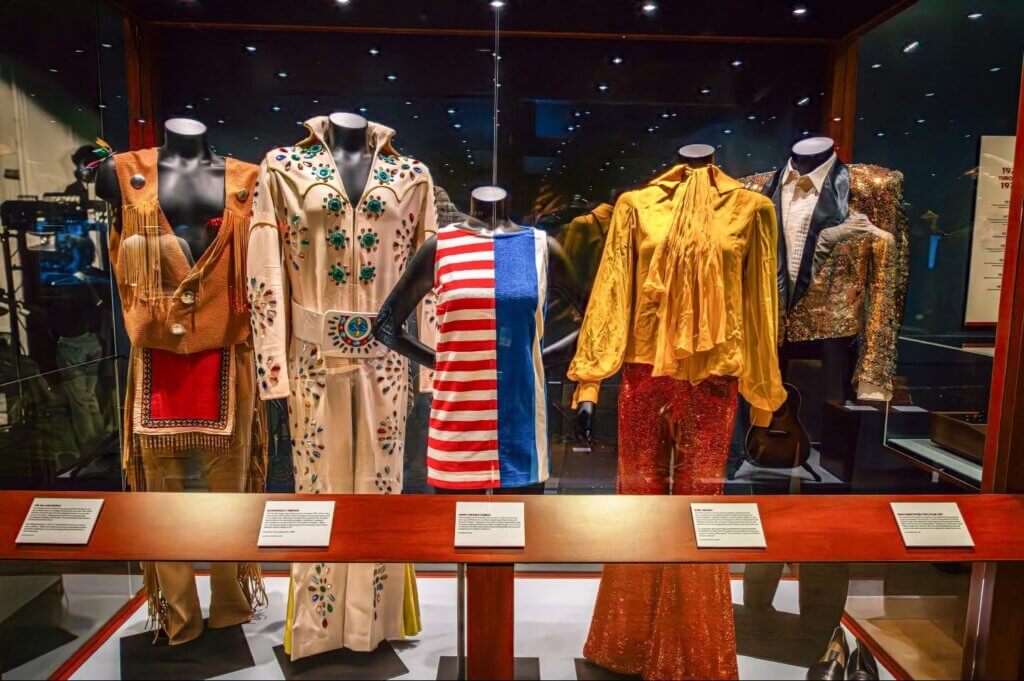
Music America at the George H. W. Bush Presidential Library and Museum in College Station, Texas
The artifacts alone are amazing—but what excites me most is what we do with them. Each object becomes a starting point for conversations about key milestones in American history and enduring themes like class, war, religion, race, gender, the economy, and so much more. Music has always reflected who we are, what we’re struggling with, and what we hope for—and this exhibition lets visitors see that story unfold in tangible, human ways.
Traveling exhibitions also encourage collaboration. Music America is richer because of the partnerships behind it: with the institutions and collectors across the country that trusted us with their stories and objects, and with the institutions who host the exhibits and provide absolutely invaluable support installing them alongside us, interpreting for the public after we have flown home, and de-installing them when the end has come. These collaborations strengthen the field, build relationships, and remind us that history should be shared, not siloed.
The journey of this exhibition reflects that idea. It debuted at the Lyndon B. Johnson Presidential Library and Museum in Austin, Texas in February 2024, moved to the GRAMMY Museum in Cleveland, Mississippi in September 2024, and then returned to Texas at the George H. W. Bush Presidential Library and Museum in College Station, Texas, in April 2025. Each stop brought a new audience, new programming, and new perspectives.
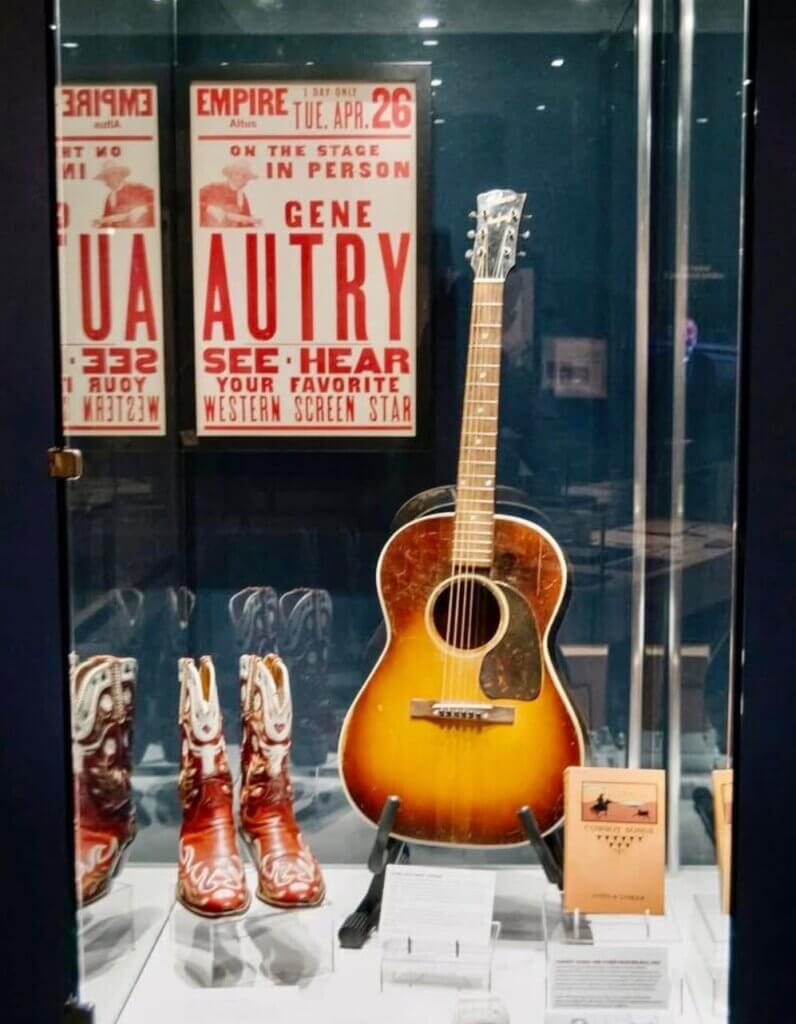
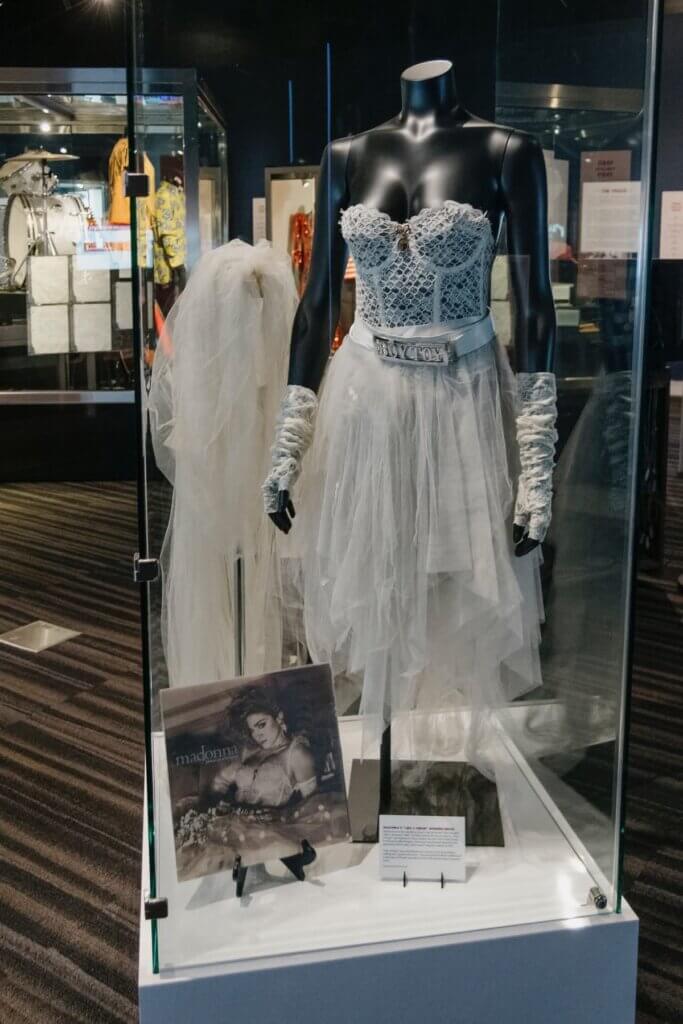
Music America at the GRAMMY Museum in Cleveland, Mississippi
Next up: Boston, where Music America will be on view at the Folk American Roots Hall of Fame from February through August of this year.
This particular exhibit is especially meaningful to me because I am first and foremost an educator. Whether education is taking place in a classroom or a gallery, I believe deeply that music is one of the most accessible, emotional, and powerful ways to get people excited about the past. Watching visitors connect a song or artist they love to a historical moment—or see themselves reflected in an artifact behind glass—never gets old.
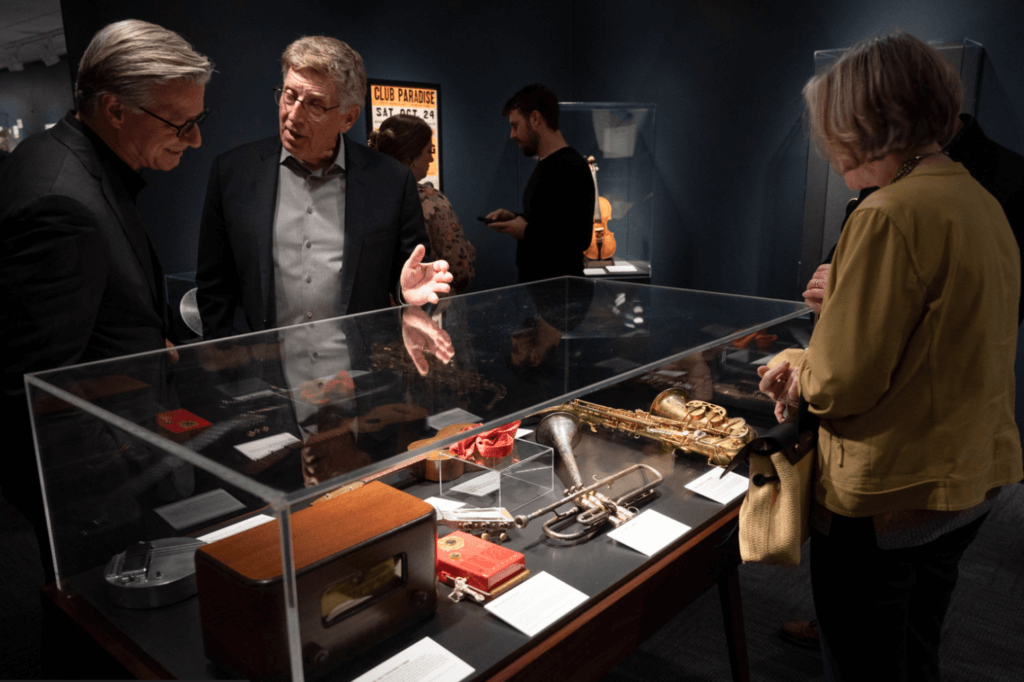
BSACAM Founding Executive Director, Bob Santelli, chats with guests at the exhibit premiere in February 2024.
So yes, de-installing an exhibition means long days, careful packing, condition reports, and sore muscles. (Sidenote: museum and archives work is far more physical than many people realize. There’s a reason so many job descriptions in our field include the requirement to lift up to 40 pounds. From moving standard archival boxes packed with records, to handling collection objects during inventory and preservation, to shifting cases, equipment, and furniture during exhibition installation and dismantling, this work regularly requires hands-on labor. Caring for and sharing history often means quite literally carrying it.)
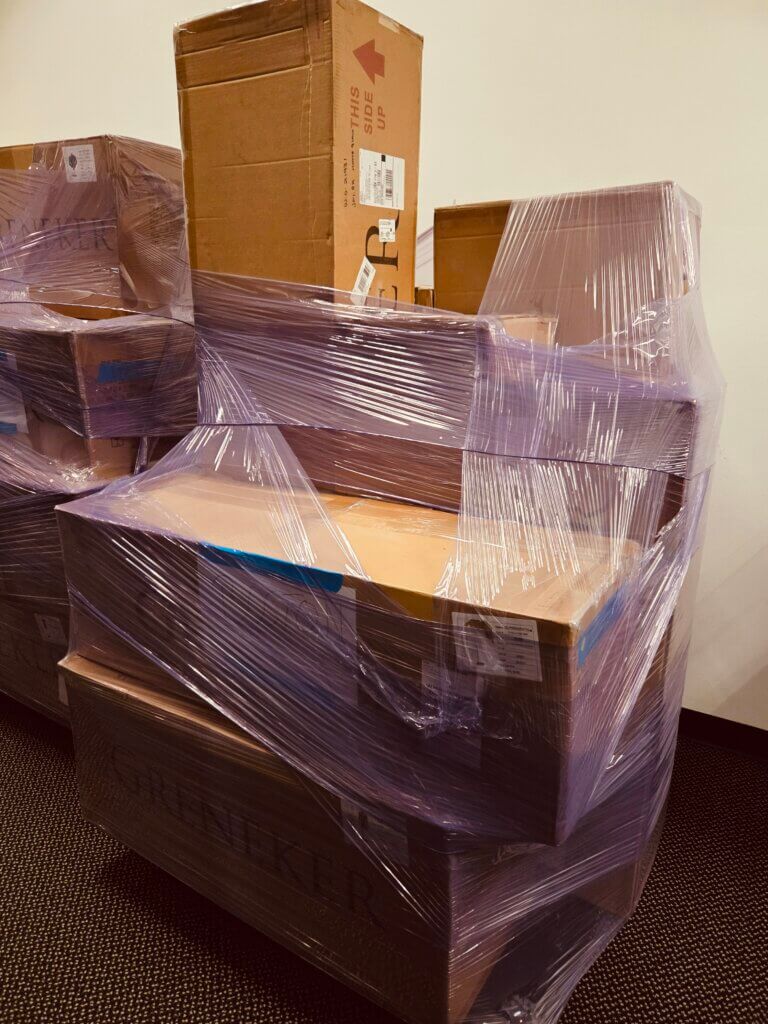
Some of the dozens of mannequins needed for Music America disassembled, packed, and palletized.
But it also means knowing that the stories we steward are about to travel again, spark new curiosity, and keep history alive in places far beyond our home in New Jersey. And that’s exactly why we do it.
Melissa Ziobro
Director of Curatorial Affairs
Bruce Springsteen Archives & Center for American Music
Monmouth University
January 11, 2026